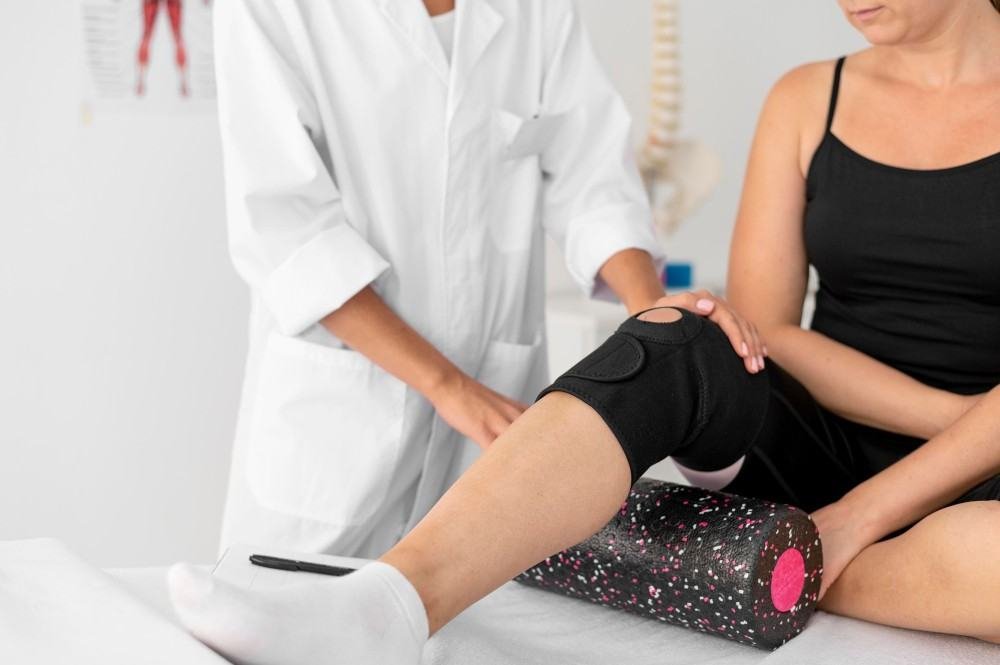
Joint pain is one of the most common reasons people visit an orthopedic doctor. It can affect the knees, hips, shoulders, ankles, hands or spine, and it may appear suddenly after an injury or build up slowly over months. Knowing the likely cause, and the signs that need medical attention, helps you act at the right time instead of living with pain.
Common causes of joint pain
Osteoarthritis (wear and tear)
The smooth cartilage that cushions a joint wears down gradually with age and use. It commonly affects the knees, hips, hands and spine. Pain usually increases with activity, and stiffness is often noticed after rest.
Inflammatory arthritis
Conditions such as rheumatoid arthritis occur when the body's immune system irritates the joint lining. These often cause swelling in several joints and prolonged morning stiffness, and need proper medical evaluation.
Gout
Gout is linked to high uric acid levels and can cause sudden, severe pain, redness and swelling, often in the big toe or ankle.
Injuries and overuse
Sprains, ligament tears, tendon problems and bursitis can follow a fall, a sports injury or repeated movement. Pain after an injury should not be ignored, even if you can still walk.
Other contributing factors
- Excess body weight, which increases load on the knees and hips
- Age and a family history of joint problems
- Previous joint injury or surgery
- Joint infection, which is less common but serious
Warning signs: when to see a doctor
- Sudden, severe pain, especially after a fall or injury
- A joint that is swollen, red and warm to touch
- Fever along with joint pain
- Inability to move the joint or put weight on it
- Visible deformity of the joint
- Pain that continues for more than a few weeks despite rest
- Pain that wakes you at night or keeps getting worse
How joint pain is evaluated
An orthopedic doctor first listens to your history: when the pain started, what makes it better or worse, and whether there was any injury. This is followed by a physical examination of the joint and its movement. Depending on the findings, tests such as X-rays, blood tests or other imaging may be advised to identify the exact cause.
Treatment options
Treatment depends on the cause, the joint involved and how much the pain affects daily life. Your doctor may suggest one or more of the following:
- Lifestyle measures: activity modification, weight management and suitable exercise
- Physiotherapy: to improve strength, flexibility and joint movement
- Medicines: prescribed according to the diagnosis
- Injections or other procedures: in selected cases
- Surgery: considered only when other treatments are not enough, such as in advanced joint damage
Avoid taking painkillers regularly without medical advice. Long-term self-medication can mask the problem and may cause side effects.
Everyday habits that protect your joints
- Maintain a healthy body weight
- Stay active with low-impact exercise such as walking or swimming
- Warm up before exercise and avoid sudden heavy strain
- Maintain good posture while sitting, standing and lifting
- Treat injuries early instead of waiting for them to settle on their own
Frequently asked questions
What is the most common cause of joint pain?
Osteoarthritis, caused by gradual wear of joint cartilage, is one of the most common causes, especially in adults over 40. Injuries, overuse and inflammatory conditions are other common causes.
When should I see a doctor for joint pain?
See a doctor if the pain follows an injury, comes with swelling, redness, warmth or fever, stops you from moving or bearing weight, or lasts for more than a few weeks despite rest.
Can joint pain be treated without surgery?
Many cases are managed without surgery, using lifestyle changes, physiotherapy, medicines and other treatments advised by an orthopedic doctor. Surgery is considered only when other options are not enough.
Is it safe to take painkillers regularly for joint pain?
Regular use without medical advice can cause side effects. It is safer to have the cause checked and use medicines only as advised by a doctor.
Looking for orthopedic care in Salem? Learn more about our Orthopedics department at Fairlands, or meet our team of orthopedic specialists.
This article is for general information only and is not a substitute for professional medical advice, diagnosis or treatment. Please consult a qualified doctor for any health concern.