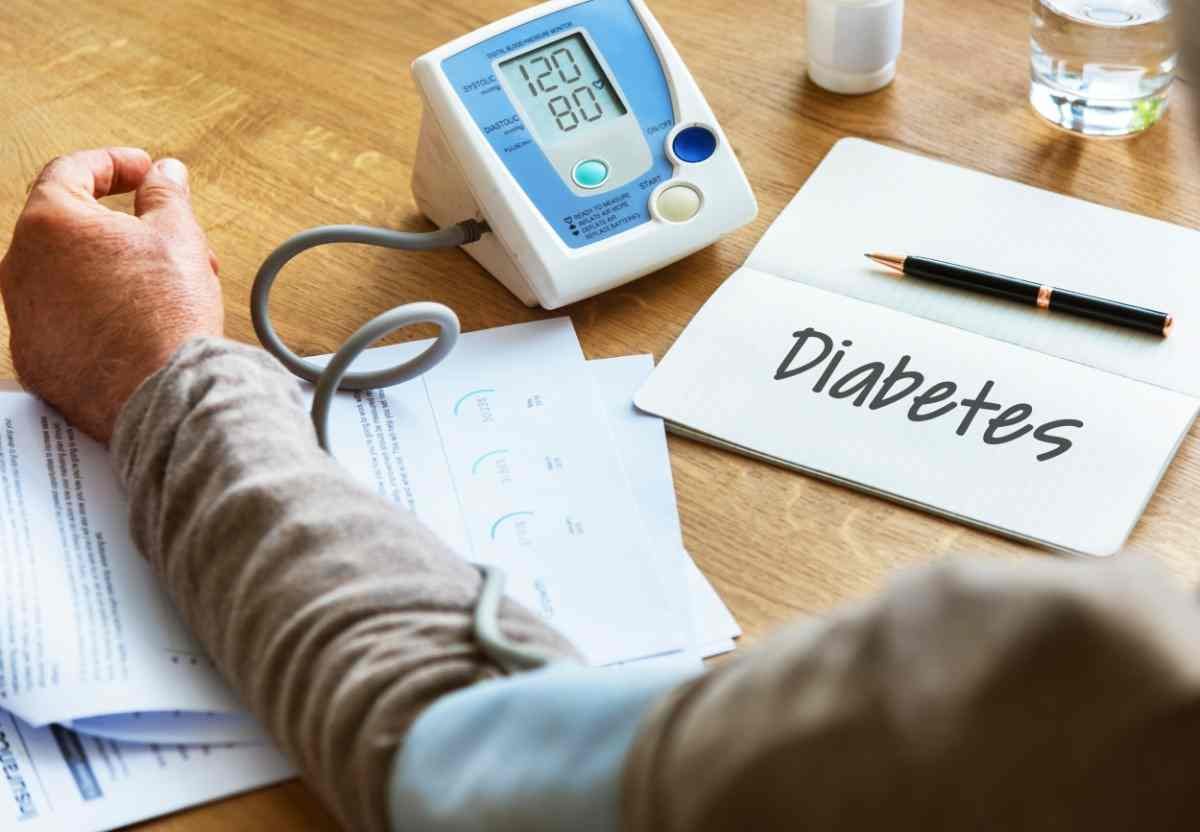
Diabetes is a long-term condition that requires regular attention to blood sugar levels, medication, food habits and overall health. Monitoring diabetes consistently helps identify changes early and allows treatment plans to be adjusted when needed. Regular medical follow-up can also help reduce the risk of complications affecting the heart, kidneys, eyes, nerves and other parts of the body.
Why regular diabetes monitoring matters
Blood sugar levels can change because of food, physical activity, stress, illness, medicines and other factors. Regular monitoring provides useful information about how your body is responding to your current treatment and lifestyle.
Monitoring should not be limited to checking blood sugar only when you feel unwell. Some people with diabetes may have high or low blood sugar without noticeable symptoms, which is why consistent monitoring and medical follow-up are important.
Blood sugar monitoring
Depending on the type of diabetes and treatment plan, your doctor may advise checking blood glucose at specific times of the day. Recording the readings can help identify patterns and provide useful information during medical consultations.
HbA1c testing
HbA1c is a commonly used blood test that provides an estimate of average blood sugar levels over the previous two to three months. It gives a broader picture of diabetes control than a single blood sugar reading.
Regular medical checkups
Diabetes management involves more than blood sugar testing. Regular doctor visits help review medicines, blood pressure, weight, blood sugar records and other health factors based on your individual needs.
Important health checks for people with diabetes
Depending on your condition and doctor's recommendations, diabetes care may include monitoring several aspects of health:
- Blood glucose levels
- HbA1c levels
- Blood pressure
- Cholesterol and other blood tests
- Kidney function
- Eye health
- Foot and nerve health
- Weight and overall physical health
Warning signs that should not be ignored
- Very high or very low blood sugar readings
- Unusual thirst or frequent urination
- Persistent tiredness or weakness
- Blurred vision or sudden changes in vision
- Slow-healing wounds, especially on the feet
- Numbness or tingling in the hands or feet
- Unexplained weight changes
Everyday habits that support diabetes management
Daily habits play an important role alongside medical treatment. Small, consistent changes can help support better blood sugar management and overall health.
- Follow a balanced diet: Choose nutritious foods and follow the meal plan recommended by your healthcare professional.
- Stay physically active: Regular physical activity can support blood sugar management and overall fitness.
- Take medicines as prescribed: Do not change or stop diabetes medicines without discussing it with your doctor.
- Monitor blood sugar regularly: Follow the monitoring schedule recommended for your condition.
- Attend scheduled checkups: Regular consultations can help identify changes before they become significant problems.
Reducing the risk of diabetes complications
Keeping diabetes under control over the long term can help reduce the risk of complications. Regular monitoring, prescribed treatment, healthy eating, physical activity and recommended screening tests all form part of ongoing diabetes care.
It is also important to pay attention to symptoms involving the eyes, kidneys, feet, nerves and cardiovascular health. Your doctor can advise which tests and screenings are appropriate based on your age, diabetes type, treatment and other health conditions.
Frequently asked questions
Why is regular diabetes monitoring important?
Regular monitoring helps you and your doctor understand blood sugar control, identify changes early and make appropriate adjustments to treatment, diet and lifestyle.
How often should blood sugar be checked?
The frequency depends on the type of diabetes, treatment plan, medicines and individual health needs. Your doctor can recommend the appropriate monitoring schedule.
What is HbA1c and why is it important?
HbA1c is a blood test that gives an estimate of average blood sugar levels over the previous two to three months. It is commonly used to assess long-term diabetes control.
Can diabetes be managed with lifestyle changes?
Healthy eating, regular physical activity, maintaining a suitable body weight, taking prescribed medicines and attending regular checkups can all support diabetes management.
Looking for comprehensive healthcare in Salem? Learn more about our General Medicine department for medical consultation, diagnosis and ongoing health management.
This article is for general information only and is not a substitute for professional medical advice, diagnosis or treatment. Please consult a qualified doctor for any health concern.