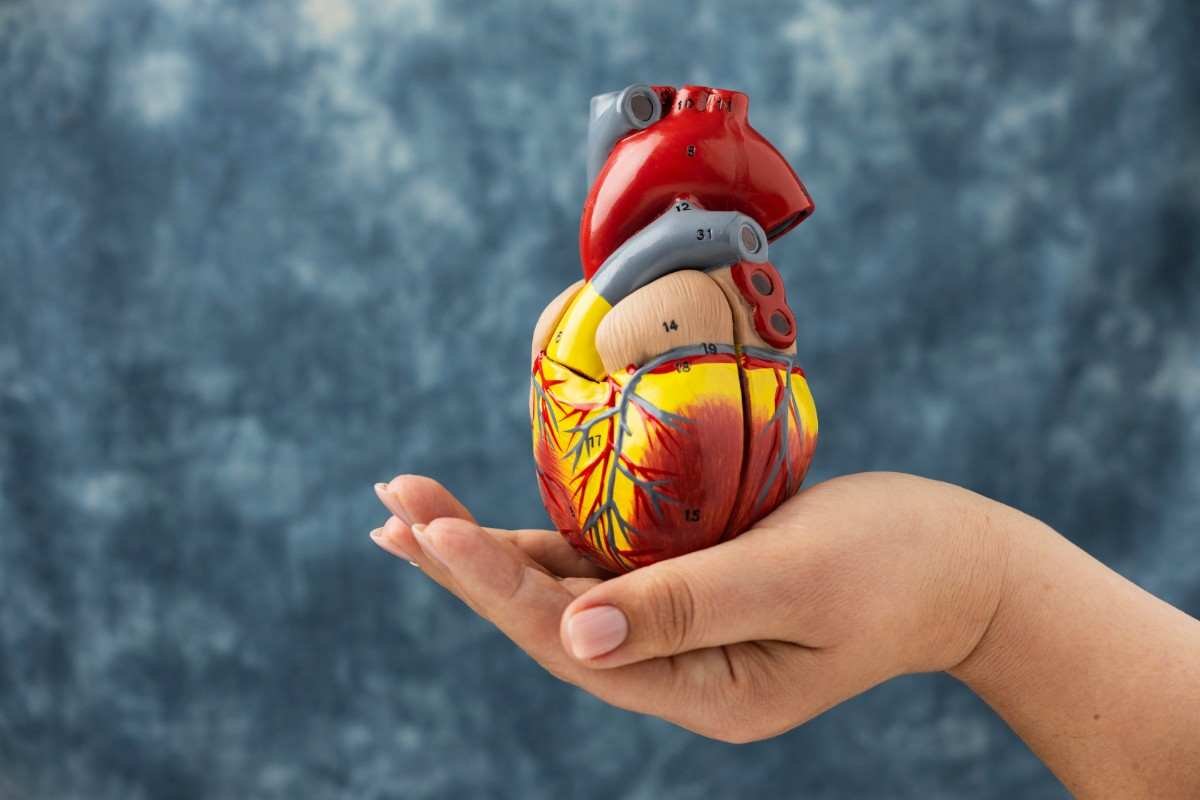
Heart health is influenced by many everyday factors, including food choices, physical activity, body weight, blood pressure, cholesterol, smoking and stress. Making healthier choices consistently can support cardiovascular health and help reduce the risk of heart-related problems over time.
Why heart health matters
The heart works continuously to pump blood and supply oxygen and nutrients throughout the body. Conditions such as high blood pressure, high cholesterol, diabetes and obesity can increase the risk of cardiovascular problems when they are not properly managed.
The good news is that many heart-health habits can become part of a normal daily routine. Regular activity, nutritious food, adequate rest and routine health checks can all contribute to better overall cardiovascular health.
Choose heart-friendly foods
A balanced diet can play an important role in maintaining heart health. Focus on a variety of nutritious foods and limit foods that are high in excess salt, added sugar and unhealthy fats.
- Include plenty of vegetables and fruits
- Choose whole grains and fibre-rich foods
- Include suitable sources of protein
- Choose healthier cooking oils in appropriate amounts
- Limit excess salt and highly processed foods
- Reduce sugary drinks and foods with excessive added sugar
Stay physically active
Regular physical activity can support heart function, improve fitness, help maintain a healthy weight and contribute to better blood pressure and cholesterol levels.
Walking, cycling, swimming and other suitable activities can be included in a daily routine. If you have an existing health condition or have been inactive for a long time, speak with a healthcare professional before starting a new exercise programme.
Keep important health numbers under control
High blood pressure, high cholesterol and high blood sugar may not always cause noticeable symptoms. Regular health checks can help identify these factors and allow appropriate management.
- Blood pressure
- Blood sugar levels
- Cholesterol levels
- Body weight and waist measurement
- Other tests recommended by your doctor based on your risk factors
Avoid tobacco and limit unhealthy habits
Smoking and tobacco use can damage blood vessels and increase cardiovascular risk. Avoiding tobacco is one of the important steps towards protecting heart health.
It is also useful to maintain healthy sleep habits, manage stress and avoid excessive consumption of foods and drinks that may negatively affect overall health.
Know the warning signs of a heart problem
Some heart-related problems can require urgent medical attention. Do not ignore new or severe symptoms, especially when they appear suddenly.
- Chest pain, pressure or discomfort
- Shortness of breath
- Unexplained sweating
- Dizziness or sudden weakness
- Nausea associated with chest discomfort
- Pain spreading to the arm, shoulder, back, neck or jaw
Make heart health part of your routine
- Eat a balanced diet: Choose a variety of nutritious foods and limit excess salt, sugar and unhealthy fats.
- Stay active: Include suitable physical activity regularly.
- Maintain a healthy weight: A healthy body weight can support better cardiovascular health.
- Monitor your health: Check blood pressure, blood sugar and cholesterol when recommended.
- Avoid tobacco: Do not smoke or use tobacco products.
- Attend regular checkups: Discuss your cardiovascular risk factors with your doctor.
Frequently asked questions
How can I keep my heart healthy?
A balanced diet, regular physical activity, maintaining a healthy weight, avoiding tobacco, managing stress and attending regular health checkups can support better heart health.
How does exercise help heart health?
Regular physical activity can strengthen the heart, support healthy blood pressure and cholesterol levels, improve fitness and help maintain a healthy body weight.
Why are blood pressure and cholesterol checks important?
High blood pressure and unhealthy cholesterol levels may not cause noticeable symptoms but can increase cardiovascular risk. Regular checks can help identify these problems early.
When should I seek medical help for chest pain?
Chest pain or pressure, especially when associated with breathlessness, sweating, nausea, dizziness or pain spreading to the arm, shoulder, back or jaw, requires prompt medical attention.
Looking for heart care in Salem? Learn more about our Cardiology department for cardiovascular consultation, diagnosis and treatment.
This article is for general information only and is not a substitute for professional medical advice, diagnosis or treatment. Please consult a qualified doctor for any health concern.